

What Makes Track Roller Bearings the Key to Modern Industrial Efficiency?
2025-11-03
Track Roller Bearings, also known as cam followers or track rollers, are precision-engineered rolling elements designed to carry heavy loads and ensure smooth linear motion along a track or guide rail. Unlike standard ball bearings, they are built with thicker outer rings and reinforced internal structures that withstand both radial and axial loads. Their robust design enables them to perform efficiently under high-pressure conditions, particularly in industries such as automation, packaging, rail transport, construction machinery, and heavy-duty conveyor systems.
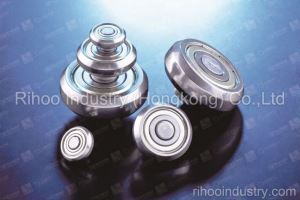
The main purpose of a track roller bearing is to reduce friction between moving parts while maintaining alignment and load stability. In high-speed or high-load environments, this translates to increased operational efficiency, lower maintenance costs, and extended machinery life. Modern industries rely heavily on these bearings for precision control and uninterrupted workflow — making them one of the foundational components of today’s mechanical and automation systems.
The performance of a track roller bearing depends on several key parameters, such as material composition, load capacity, rolling element type, and sealing mechanism. Advanced manufacturing techniques have allowed for greater precision, durability, and adaptability to complex environments.
Below is a concise summary of the technical specifications commonly found in premium Track Roller Bearings:
| Parameter | Description |
|---|---|
| Outer Ring Material | High-carbon chromium steel or stainless steel for corrosion resistance |
| Load Capacity | Ranges from 500N to 30,000N depending on model and size |
| Rolling Element Type | Cylindrical or needle rollers for higher load distribution |
| Sealing Structure | Contact or non-contact seals (NBR or Viton) to prevent dust and lubricant loss |
| Operating Temperature | -30°C to +150°C for standard types, up to +250°C for high-temperature designs |
| Lubrication | Pre-lubricated with lithium-based grease; re-lubrication ports optional |
| Mounting Options | Stud-type or yoke-type configurations for flexible installation |
| Precision Grade | ISO P6 to P4 standards, depending on application requirements |
| Surface Finish | Ground to Ra 0.2 µm for smooth rotation and reduced friction |
These specifications reflect the engineering precision and endurance that define modern track roller bearings.
Why Are Track Roller Bearings So Advantageous in Modern Industry?
The advantages of Track Roller Bearings extend beyond simple load support. Their innovative designs contribute directly to the efficiency, accuracy, and reliability of industrial operations. Below are the core benefits that make them indispensable:
-
Exceptional Load-Bearing Capacity:
The thick outer ring and optimized roller design distribute stress evenly, minimizing wear and extending operational life even under extreme conditions. -
Reduced Maintenance Requirements:
Advanced sealing and lubrication systems prevent contamination, reducing the need for frequent maintenance and extending service intervals. -
High Precision and Low Friction:
Ground surfaces and precision-grade internal geometries result in smooth, vibration-free motion—essential for automation and robotics applications. -
Versatility Across Applications:
From linear motion systems to cam drives, material handling equipment, and conveyor systems, these bearings adapt seamlessly to diverse industrial uses. -
Resistance to Harsh Environments:
Stainless steel versions and specialized coatings enhance corrosion resistance, ensuring optimal performance in humid, dusty, or chemically aggressive settings.
As industries evolve towards automation, energy efficiency, and digital precision, the demand for high-performance mechanical components continues to rise. Track Roller Bearings bridge the gap between traditional mechanical engineering and the modern need for smart, adaptive machinery. Their combination of durability, accuracy, and low maintenance cost provides a competitive advantage for manufacturers seeking operational excellence.
How Do Track Roller Bearings Improve Industrial Performance and Reliability?
The operational efficiency of any automated or heavy-duty system depends largely on the performance of its motion components. Track Roller Bearings, with their compact yet durable construction, offer a unique synergy of strength and precision. Here’s how they enhance system reliability and productivity:
-
Improved Motion Control:
The rolling contact between the bearing and the track ensures smooth, consistent motion, minimizing vibration and mechanical stress. -
Energy Efficiency:
By reducing frictional losses, these bearings lower power consumption, making systems more energy-efficient and environmentally sustainable. -
Reduced Downtime:
Their resistance to wear and contamination means longer service intervals, reducing unplanned maintenance and production delays. -
Enhanced Accuracy:
In robotics and automation, even minor deviations in motion can cause errors. Track Roller Bearings maintain precise alignment, ensuring repeatable and accurate motion. -
Thermal Stability:
Advanced materials and heat treatment processes prevent deformation or performance loss under temperature fluctuations, maintaining stability in high-speed applications.
In practical industrial setups, these bearings are often integrated into conveyor rollers, cam mechanisms, and material handling equipment. They enable high-speed, continuous operation with minimal noise and vibration. Their mechanical reliability ensures smoother workflow, extended equipment life, and improved product quality.
What Are the Future Trends and Developments in Track Roller Bearing Technology?
The future of Track Roller Bearings lies in intelligent design, smart materials, and sustainable production. Several emerging trends are shaping their evolution:
-
Smart Bearings with Integrated Sensors:
Advanced models are being developed with embedded sensors to monitor temperature, load, and vibration in real time. This predictive maintenance technology allows operators to detect potential failures before they occur. -
Eco-Friendly Materials and Manufacturing:
Manufacturers are adopting greener production methods and developing recyclable or bio-compatible materials to reduce environmental impact. -
Improved Surface Coatings:
Nanotechnology-based coatings enhance corrosion resistance, reduce friction, and extend service life even in harsh conditions. -
Miniaturization and Lightweight Design:
Compact bearings with optimized geometry are increasingly used in high-precision applications such as medical devices, robotics, and aerospace systems. -
AI and Data-Driven Maintenance Systems:
The integration of IoT (Internet of Things) and AI systems allows real-time condition monitoring, optimizing lubrication schedules and replacement cycles automatically.
As these innovations mature, Track Roller Bearings will continue to be a cornerstone of advanced mechanical systems, supporting smarter factories and more sustainable production lines.
Common Questions About Track Roller Bearings
Q1: What’s the difference between a Track Roller Bearing and a standard ball bearing?
A: A Track Roller Bearing is specifically designed to roll along a track or cam surface and carry both radial and axial loads. Its outer ring is thicker and hardened to resist wear from contact with rails or cams, while a standard ball bearing primarily supports rotational motion with lighter loads and minimal side forces.
Q2: How should Track Roller Bearings be maintained for long-term performance?
A: Regular inspection for lubrication quality, seal integrity, and surface wear is essential. Bearings with re-lubrication ports should be serviced based on operating hours or environmental exposure. Proper installation and alignment are also critical to prevent uneven loading and premature wear.
Conclusion: The Enduring Value of Track Roller Bearings in Modern Engineering
Track Roller Bearings are more than just mechanical components — they are integral to the precision, reliability, and efficiency of today’s industrial machinery. Their evolution from simple rolling elements to intelligent, sensor-equipped systems demonstrates how mechanical engineering continues to advance in synergy with digital innovation.
As industries demand greater automation and operational longevity, the importance of durable and precise motion components becomes increasingly evident. Track Roller Bearings provide that foundation — supporting the transition toward smarter, greener, and more efficient mechanical systems.
For high-performance, precision-engineered bearings that meet the needs of modern industry, RIHOO stands as a trusted manufacturer dedicated to innovation and quality. To learn more about our range of Track Roller Bearings or to find the right solution for your application, contact us today and explore how RIHOO can power your industrial performance.
