

What Role Does the Blower Impeller Play in the Energy Consumption of HVAC Systems
2026-02-26
When analyzing the efficiency of modern HVAC systems, the focus often falls on compressors or refrigerants. However, the Blower Impeller is the component directly responsible for moving conditioned air through the ductwork, and its design has a massive impact on total electricity usage. At METALLECA, we specialize in precision-engineered rotating components that help reduce operational costs. To understand HVAC energy bills, one must first understand how the Blower Impeller converts motor power into airflow.
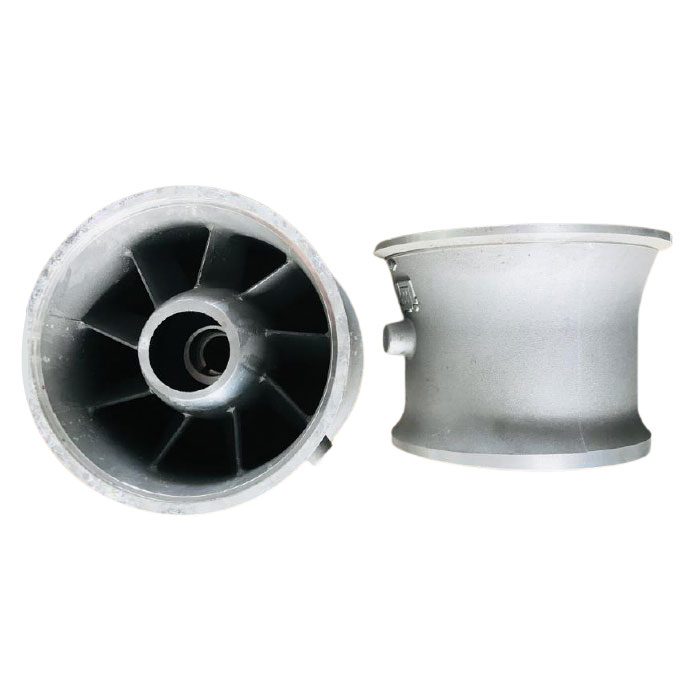
The Mechanical Link Between Impeller Design and Power Draw
The energy consumption of an HVAC fan is not just about the motor size; it is about the aerodynamic efficiency of the Blower Impeller. An inefficient impeller requires more torque to overcome resistance, leading to higher wattage draw. The geometry dictates the air velocity and static pressure capabilities, which directly correlates to the kilowatt-hours consumed over time.
| Impeller Type | Typical Efficiency | Common Application | Impact on Energy Consumption |
|---|---|---|---|
| Forward Curved | Moderate | Residential Furnaces | Higher energy use at low static pressures; prone to overload. |
| Backward Inclined | High | Commercial Air Handlers | Lower energy use; non-overloading horsepower characteristic. |
| Airfoil | Very High | Industrial Clean Rooms | Minimum energy consumption; highest efficiency for airflow. |
Why Impeller Balance is Critical for Energy Efficiency
Vibration caused by an unbalanced Blower Impeller does not just create noise; it destroys efficiency. When the impeller is out of balance, the bearings must work harder to maintain rotation, and the air turbulence increases. This parasitic loss forces the motor to draw excess current. Precision manufacturing, like the standards upheld by METALLECA, ensures that the impeller rotates smoothly, minimizing frictional losses and keeping energy consumption at the intended design level.
Key Factors Influencing HVAC Power Usage
Several specific attributes of the Blower Impeller dictate how much energy the system will pull from the grid:
-
Blade Angle: Steeper angles generally handle higher pressure but may consume more power if the system resistance is miscalculated.
-
Diameter and Width: A larger impeller moving slowly is often more efficient than a small impeller spinning rapidly to move the same volume of air.
-
Surface Finish: Rough or pitted surfaces create drag, reducing the efficiency of energy transfer from the impeller to the airstream.
Frequently Asked Questions About the Blower Impeller
1. How does a clogged Blower Impeller increase my HVAC energy bill?
A clogged Blower Impeller, often coated in dust and debris, disrupts its aerodynamic profile. The blades become less effective at gripping and moving air, a condition known as "airfoil contamination." To compensate for the reduced airflow, the HVAC control board may run the fan longer, or the motor will draw more amperage in an attempt to achieve the set speed, directly increasing energy consumption.
2. Can upgrading the Blower Impeller reduce energy consumption in an old system?
Yes, absolutely. Retrofitting an old system with a modern, high-efficiency Blower Impeller can yield significant savings. Older units often use simple, stamped metal designs. By upgrading to a backward-inclined or airfoil design—precision-cast by companies like METALLECA—you reduce turbulence and improve aerodynamic efficiency. This means the motor does less work to move the same amount of air, lowering the kilowatt-hour draw.
3. Why does my system draw high amps even when the Blower Impeller looks clean?
If the Blower Impeller is visually clean but the motor is drawing high amperage, the issue is likely incorrect system static pressure or impeller diameter. If the impeller is too large for the housing or the ductwork is restrictive, the fan will operate in a "stall" region. In this state, the Blower Impeller churns air inefficiently without moving it, causing the motor to work excessively hard and consume maximum energy without delivering performance.
Optimize Your System with Precision Components
Reducing energy consumption starts with the heart of the air movement system. Whether you are designing a new unit or seeking replacement parts, the efficiency of your Blower Impeller is paramount. Do not let an outdated or mismatched component inflate your operational costs.
For expert advice and high-performance rotating solutions, contact METALLECA today to discuss your specific application requirements and discover how our engineering can lower your energy footprint.
