

What Safety Features Are Critical For Casting Heater Operation
2026-01-16
When dealing with the intense demands of industrial heating, safety isn't just a feature—it's the absolute foundation of efficient and reliable operations. This is especially true for Casting Heaters, which are pivotal in processes like metal melting and molding. At Xinhongda, we understand that a safe heater is a productive heater. Ensuring the well-being of your personnel and the integrity of your equipment requires Casting Heaters built with non-negotiable, critical safety features. Neglecting these can lead to costly downtime, equipment damage, or serious workplace hazards. Let's explore the essential protections that should be integral to your system.
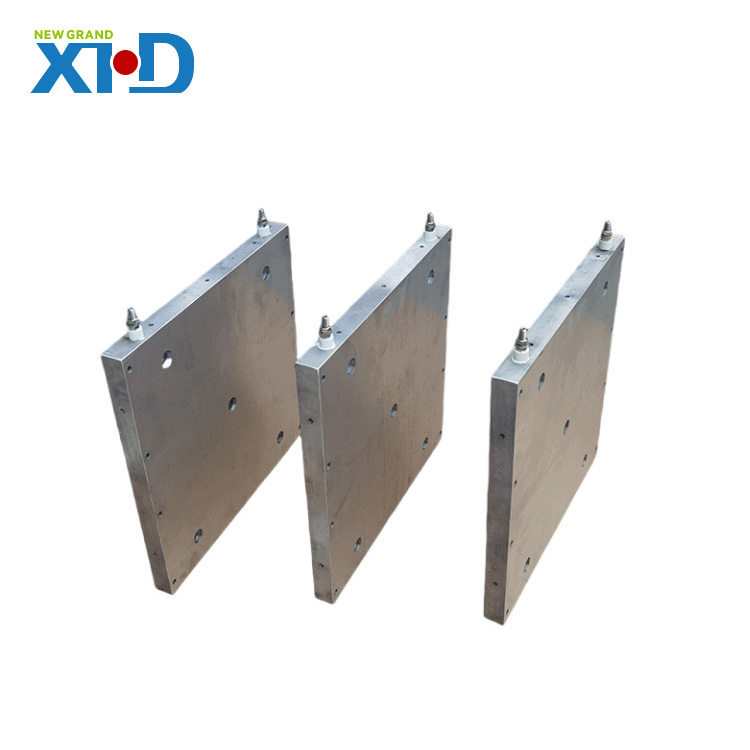
A well-designed industrial heater incorporates multiple layers of safety. Below are the most critical features to prioritize:
-
Over-Temperature Protection: This is the primary defense. Independent thermal cut-offs or controllers must automatically shut down the heater if internal temperatures exceed safe limits, preventing damage to the heater casing and surrounding materials.
-
Robust Enclosure & Insulation: The heater body must be constructed from durable, corrosion-resistant materials with high-grade electrical insulation to prevent shock hazards and contain heat effectively.
-
Ground Fault Protection: Proper grounding and systems like GFCI (Ground Fault Circuit Interrupter) are vital to protect users from electrical shock in case of an internal fault or moisture ingress.
-
Mechanical Protection: Guards or housings protect against physical impact, accidental contact with hot surfaces, and the ingress of foreign materials that could cause short circuits.
To illustrate how these features work together in a high-quality product, consider the typical safety architecture of a premium Xinhongda heater:
| Safety Feature | Primary Function | Prevents |
|---|---|---|
| Redundant Thermostats | Two independent temperature sensors monitor core heat. | Overheating, element burnout, and fire risk. |
| IP-Rated Enclosure | Sealed housing protects against dust and water ingress. | Electrical shorts and corrosion, extending heater life. |
| Automatic Cut-off Switch | Triggers power disconnection upon fault detection. | Catastrophic failure during uncontrolled operation. |
| High-Temperature Wiring | Uses wiring with insulation rated for extreme heat. | Insulation meltdown and subsequent electrical faults. |
Casting Heaters FAQ
What is the most common cause of failure in Casting Heaters?
The most common cause is the lack of or failure in over-temperature protection, leading to element burnout. This is often due to a faulty thermostat, airflow blockage, or a buildup of scale on the heating elements, which causes them to overheat internally.
How often should safety features on Casting Heaters be inspected?
A formal visual and functional inspection should be conducted at least monthly. This includes checking for any damage to the enclosure, verifying that temperature controls are calibrated, and testing emergency cut-off switches. Xinhongda recommends a full professional maintenance check annually.
Can standard industrial heaters be used for casting applications?
It is not advisable. Standard heaters often lack the specific high-temperature materials, robust thermal cut-offs, and mechanical durability required for the demanding thermal cycles and harsh environments of casting processes. Using them poses a significant safety risk.
Investing in Casting Heaters with engineered, multi-layered safety is an investment in uninterrupted production and workplace security. At Xinhongda, our decades of expertise are built into every safety circuit and robust enclosure we design. We don't just sell heaters; we deliver reliable, safe thermal solutions that protect your most valuable assets: your people and your productivity.
Contact us today to discuss your application requirements. Let our experts help you select a Xinhongda Casting Heater configured with the precise safety features your operation critically needs.
