

What Should You Look for When Choosing an Optical Rotating Eyepiece for Birding Spotting Scopes
2026-03-23
For birders who demand both precision and endurance in the field, the Optical Rotating Eyepiece has evolved from a niche accessory into a necessity. Unlike standard fixed eyepieces, a rotating design allows the observer to adjust the eyepiece angle without loosening the scope mount—a critical advantage when tracking birds across varying terrain. When paired with a trusted name like KGL, this component transforms a standard spotting scope into a truly ergonomic field instrument.
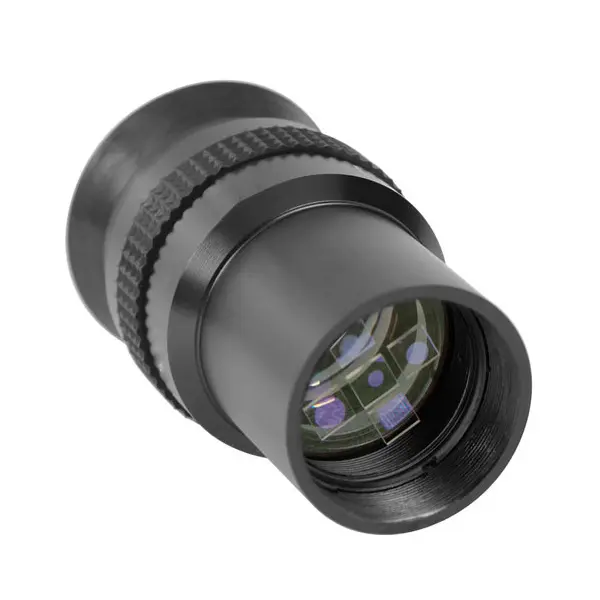
Understanding the Core Benefits
Before evaluating specifications, it helps to recognize why the Optical Rotating Eyepiece matters for birding. Traditional setups often require constant repositioning of the tripod head when switching between ground-feeding birds and canopy dwellers. A rotating eyepiece eliminates that need, enabling fluid movement through a 360-degree range while maintaining the observer’s natural posture.
Key Factors to Evaluate
Selecting the right Optical Rotating Eyepiece involves balancing optical quality, mechanical durability, and field compatibility. The following criteria should guide your decision:
| Feature | What to Look For | Why It Matters for Birding |
|---|---|---|
| Rotation Mechanism | Smooth, click-stop or continuous rotation with minimal resistance | Allows quick adjustment when tracking fast-moving birds; prevents jarring the scope |
| Optical Coating | Fully multi-coated lenses with phase correction | Ensures true color reproduction and high contrast in low-light dawn/dusk conditions |
| Eye Relief | Minimum 16–20 mm | Critical for eyeglass wearers; prevents vignetting during prolonged observation |
| Focal Length Range | 8–24 mm zoom or fixed wide-angle (e.g., 17 mm) | Offers versatility for both close-range woodland and long-distance shorebird viewing |
| Weather Sealing | O-ring sealed, nitrogen-purged | Prevents fogging and moisture ingress during sudden rain or humid environments |
| Build Material | Machined aluminum housing with rubber armor | Withstands accidental drops and provides a secure grip in wet or cold conditions |
KGL integrates each of these elements into its Optical Rotating Eyepiece lineup, with particular emphasis on click-stop rotation that delivers tactile feedback—an essential detail when operating with gloved hands in winter birding.
Optical Performance in the Field
A common oversight is prioritizing magnification over clarity. For birding spotting scopes, the Optical Rotating Eyepiece should deliver edge-to-edge sharpness, as birds rarely remain centered in the frame. Look for eyepieces with at least six lens elements arranged to minimize chromatic aberration, especially on species with high-contrast plumage like kingfishers or egrets. KGL employs high-index glass elements that control color fringing even at maximum zoom, ensuring that feather details remain distinct.
Ergonomics and Field Usability
The physical interface matters as much as the optics. A quality Optical Rotating Eyepiece should feature a large, textured rotation ring that falls naturally under the fingers. When mounted on a spotting scope, the eyepiece should maintain parfocality—meaning the focus point remains consistent as you zoom or rotate. This is particularly valuable during birding festivals or competitive bird counts where speed is paramount.
Frequently Asked Questions
What is the advantage of a rotating eyepiece over a standard angled spotting scope design?
A standard angled spotting scope provides a fixed viewing angle, typically 45 degrees, which works well for static observation but becomes limiting when birds move to different elevations. An Optical Rotating Eyepiece allows the entire viewing assembly to swivel independently of the scope body. This means you can maintain the same tripod height and position while adjusting the eyepiece orientation from a comfortable seated position to a standing vantage point without recalibrating the focus or repositioning the legs.
Can I use any rotating eyepiece with my existing spotting scope, or is compatibility limited?
Compatibility is not universal. The Optical Rotating Eyepiece must match your spotting scope’s eyepiece interface standard. Common standards include 1.25-inch barrel sizes for astronomical-style spotting scopes and proprietary bayonet mounts for premium birding optics. Before purchasing, verify both the mechanical interface and the optical projection distance. KGL designs its rotating eyepieces with standardized threading and includes compatibility guides for major spotting scope brands, ensuring users can upgrade without replacing the entire optical system.
Does the rotating mechanism degrade over time with heavy field use?
High-quality rotating mechanisms are engineered for longevity. In a well-constructed Optical Rotating Eyepiece, the rotation assembly uses brass or stainless steel bearing surfaces rather than plastic-on-plastic contact. KGL implements a dual-sealed bearing system that maintains consistent tension over thousands of rotation cycles. Regular maintenance—such as gently cleaning the rotation interface with a soft brush after sandy or saltwater exposure—preserves the smooth action. Units with O-ring seals also prevent particulate ingress, which is the primary cause of mechanical degradation in the field.
Making the Final Choice
When narrowing down options, prioritize the Optical Rotating Eyepiece that aligns with your most frequent birding environments. For coastal birding, weather sealing becomes non-negotiable. For forest birding, wide apparent fields of view (65 degrees or more) help track warblers through dense foliage. KGL offers models specifically tuned for these scenarios, with configurations that emphasize either ultra-wide viewing or enhanced low-light transmission.
Contact Us
Selecting the right Optical Rotating Eyepiece can significantly elevate your birding experience, and the team at KGL specializes in helping enthusiasts match the ideal eyepiece to their spotting scope and observing style. For personalized recommendations or to explore the full KGL optical rotating eyepiece collection, contact us today—our experts are ready to assist you in making an informed investment for years of exceptional field observation.
