

What Temperature and Weather Conditions Can the CP Series Wheel Nut Indicator Withstand
2026-10-30
Wheel nut indicators are only useful if they stay readable and dimensionally stable in the conditions your fleet actually operates in—from desert heat to winter road salt. This guide explains how the CP Series Wheel Nut Indicator from J&W performs across temperature extremes, moisture, UV exposure and chemical contamination, and what fleets should verify before specifying it for year-round service.
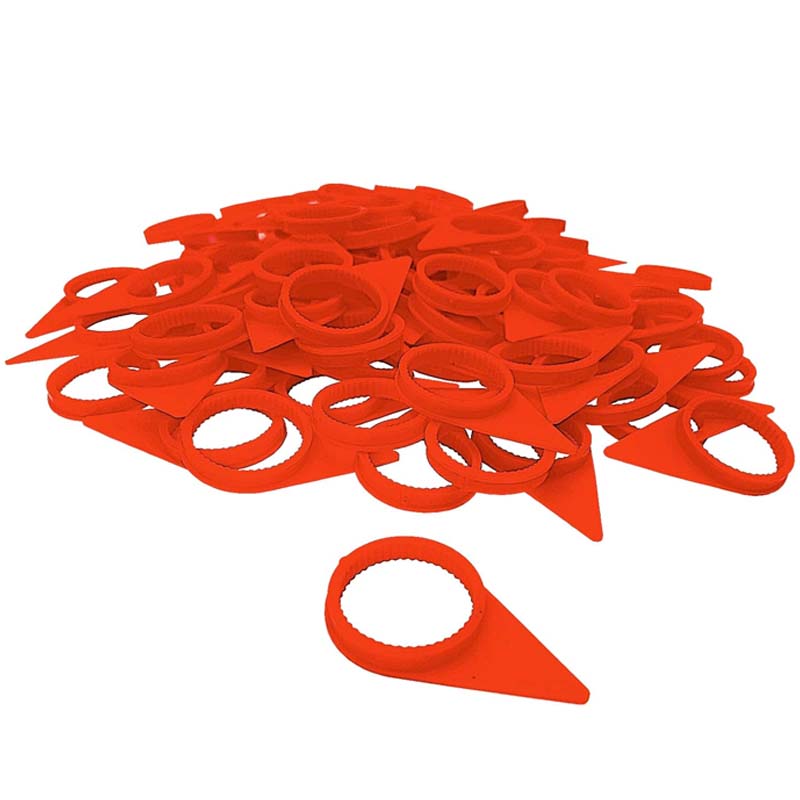
Temperature Performance at a Glance
The CP Series Wheel Nut Indicator is engineered from UV-stabilised engineering polymer compounds selected for retention of shape and colour contrast across a broad service window. The table below summarises typical performance expectations for J&W production units; always confirm the current technical data sheet for your specific part number and batch.
| Condition | Typical Range / Exposure | Effect on the CP Series Wheel Nut Indicator |
|---|---|---|
| Continuous service temperature | Approx. −40 °C to +100 °C (−40 °F to +212 °F) | Retains fit and visibility; no embrittlement or softening in normal service |
| Short-term peak (wheel-end radiant heat) | Up to approx. +120 °C (248 °F) | Temporary softening possible; recovery on cooling, no permanent deformation |
| Low-temperature impact | −40 °C (−40 °F) | Remains impact-resistant; avoids cracking during fitting in cold workshops |
| Thermal cycling | Repeated −30 °C to +90 °C cycles | No cumulative creep or loss of indicator alignment |
Weather, Moisture and Chemical Resistance
-
Water and road spray: Non-porous mouldings resist rain, jet-wash pressure and standing water; no swelling or colour bleed.
-
Road salt and de-icers: Resistant to sodium chloride and calcium chloride brines used in winter maintenance.
-
UV and sunlight: UV stabilisers limit fading and chalking, preserving the high-contrast visual cue that makes the CP Series Wheel Nut Indicator fast to check at walk-around.
-
Oils, greases and brake fluids: Resistance to typical workshop chemicals; wipe clean after contamination.
-
Dust, mud and grit: Smooth surfaces shed contamination, supporting accurate visual inspection.
Practical Fitment and Inspection Notes
-
Fit the CP Series Wheel Nut Indicator to clean, dry, correctly torqued nuts using the specified seating method.
-
Confirm the indicator's alignment mark is set against a fixed reference on the wheel.
-
Inspect at every pre-trip check: any movement between indicator points signals a torque change worth investigating.
-
Replace any unit showing cracking, permanent deformation or loss of contrast—do not re-use deformed indicators.
-
Record batch and part numbers so J&W can trace performance if an unusual field condition appears.
Where Conditions Exceed the Standard Envelope
Applications involving sustained radiant heat above the stated peak, prolonged immersion, or aggressive solvent contact should be reviewed with J&W technical support before specification. In these cases, alternative materials or fitment positions may be recommended to preserve indicator reliability.
FAQ
Q: Can the CP Series Wheel Nut Indicator be used in sub-zero winter operations?
A: Yes. The CP Series Wheel Nut Indicator remains impact-resistant at approximately −40 °C, so it can be fitted and inspected in cold workshops and winter road conditions without cracking or losing its alignment reference.
Q: Does the CP Series Wheel Nut Indicator fade or degrade under long-term UV exposure?
A: UV-stabilised compounds in the CP Series Wheel Nut Indicator limit fading and chalking, maintaining colour contrast for reliable visual checks; units showing significant contrast loss should be replaced as part of normal inspection.
Q: Is the CP Series Wheel Nut Indicator resistant to road salt and jet-wash chemicals?
A: Yes. The non-porous mouldings resist road salt brines, de-icers and typical jet-wash detergents, and they wipe clean after oil or grease contamination, supporting accurate inspection throughout winter service.
To confirm the temperature and chemical envelope for your specific application, request the current technical data sheet, batch traceability records or a fitment review from J&W—our engineering team will help you specify the right CP Series Wheel Nut Indicator for your fleet's operating environment.
