

Which load ratings should you verify when selecting heavy hurricane ties for timber construction
2026-06-01
When choosing Timber Connector Heavy Hurricane Ties for a timber construction project, understanding load ratings is not optional—it is a structural necessity. Shengsen provides engineered fastening solutions designed for extreme weather, but even the best hardware fails if the wrong load specifications are used. This guide outlines the critical load ratings every professional must verify before installation.
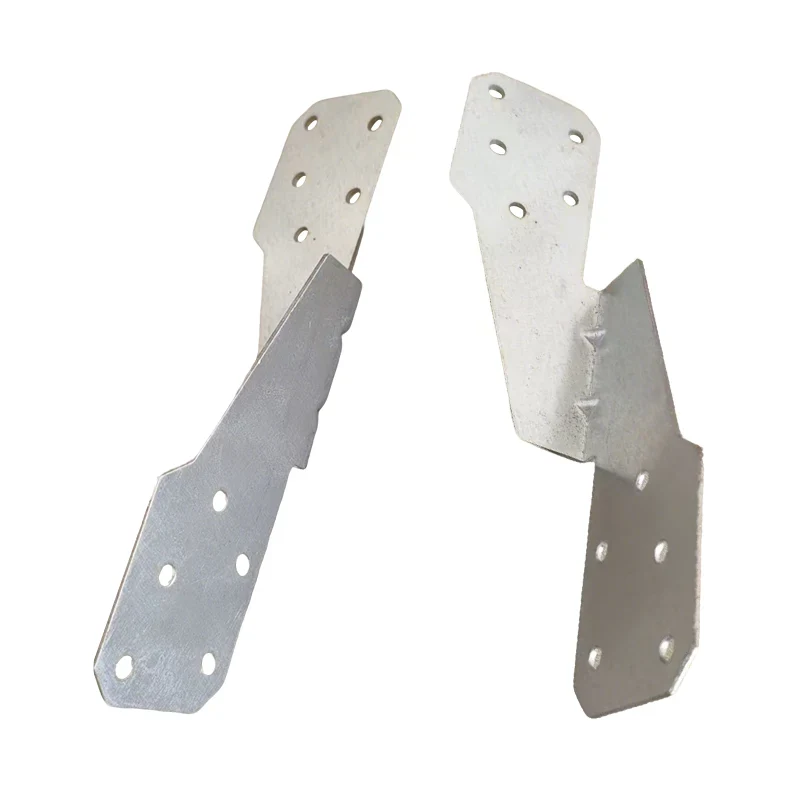
Critical Load Ratings for Heavy Hurricane Ties
The table below summarizes the essential load ratings to check when evaluating Timber Connector Heavy Hurricane Ties:
| Load Rating Type | What It Measures | Why It Matters |
|---|---|---|
| Uplift Capacity (F1) | Resistance to vertical lifting forces | Prevents roof-to-wall separation during high winds |
| Lateral Load (F2) | Resistance to horizontal pushing/pulling | Maintains wall stability against wind pressure |
| Slip Resistance | Movement under sustained load | Avoids progressive loosening over time |
| Allowable Load vs. Ultimate Load | Safety margin before failure | Ensures compliance with building codes (e.g., IRC/IBC) |
| Fastener Pull-Through | Holding power of screws/nails into timber | Critical for softwood species like SPF or Douglas fir |
Five Verification Steps Before Purchase
-
Check the ICC-ES report – Ensure the Timber Connector Heavy Hurricane Ties have third-party validation for listed loads.
-
Match load rating to wind speed zone – Use ASCE 7-16 maps to determine required uplift (often 400–1,200 lbs per connector).
-
Verify fastener type and count – Some ties require specific Shengsen screws to achieve published loads.
-
Inspect timber species adjustment factors – Load ratings drop for lower-density woods like hem-fir.
-
Confirm installation orientation – Reversing a tie can reduce lateral capacity by over 50%.
FAQ – Timber Connector Heavy Hurricane Ties
What happens if I use a heavy hurricane tie with an uplift rating lower than my wind zone requires?
The tie may pull out of the timber during a storm, leading to partial roof detachment. For example, a tie rated at 500 lbs uplift in a 120 mph wind zone (requiring 800+ lbs) will fail without visible prior warning. Always add a 20% safety margin above minimum code requirements.
Can I mix heavy hurricane ties from different brands like Shengsen with generic fasteners?
No. Load ratings for Timber Connector Heavy Hurricane Ties are certified only with the specified fastener type, diameter, length, and quantity. Using a non-Shengsen screw changes friction and pull-through values. The assembly becomes uncertified, and inspectors will reject it. Always use the manufacturer’s listed fasteners.
How often should load ratings be re-verified for a project using hundreds of ties?
Every 50 ties or per framing bay, whichever is smaller. Timber variability (knots, grain angle, moisture content) can reduce actual capacity by 15–30%. For Shengsen ties, we recommend torque testing three samples per shipment to confirm published slip resistance matches field conditions.
Practical Installation Tip
When installing Timber Connector Heavy Hurricane Ties on treated lumber, reduce published loads by 15% unless the tie and fasteners are rated for corrosive environments. Shengsen offers stainless steel options that retain full capacity in ACQ or CA-C treated wood.
Contact Us
For project-specific load calculations and certified reports on Shengsen Timber Connector Heavy Hurricane Ties, reach out to our engineering team today. Contact us via the form on our website or call your regional distributor—we respond within one business day with custom load tables and fastener schedules.
