

Which Materials Are Most Durable For Brick Machinery Pallets in High-Temperature Environments?
2026-01-28
In modern brick manufacturing, high-temperature kilns can reach levels exceeding 1000 degrees Celsius. Our experience at Quangong Machinery Co., Ltd. has shown that Brick Machinery Pallets must withstand thermal expansion, surface wear, and mechanical stress to maintain production efficiency. Our factory continuously tests our pallets to ensure they resist deformation and maintain structural integrity even under intense heat cycles. Understanding how different materials react to these conditions is crucial for prolonging the lifespan of industrial pallets.
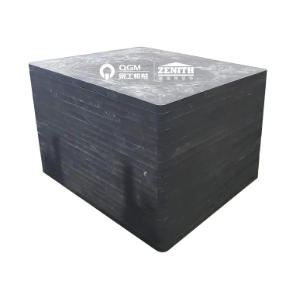
Which Material Compositions Provide the Best Thermal Resistance for Brick Machinery Pallets?
Our research indicates that selecting the right alloy or composite material significantly impacts pallet durability. Materials like high-grade steel alloys, heat-resistant cast iron, and reinforced carbon composites demonstrate superior performance in high-temperature environments. At Quangong Machinery Co., Ltd., our Brick Machinery Pallets are designed using specific steel grades with high chromium and nickel content to enhance oxidation resistance and maintain mechanical strength at elevated temperatures.
| Material Type | Max Service Temperature | Thermal Expansion Coefficient | Typical Application |
| High-Grade Steel Alloy | 1200°C | 12 x10^-6 /°C | Standard industrial brick pallets |
| Heat-Resistant Cast Iron | 1100°C | 10 x10^-6 /°C | Heavy-load pallets for continuous kilns |
| Reinforced Carbon Composite | 1250°C | 8 x10^-6 /°C | High-performance specialized pallets |
Our factory also customizes Brick Machinery Pallets with coatings and surface treatments to minimize wear caused by friction between bricks and pallets. These coatings further enhance resistance to thermal cycling, making our products reliable for long-term industrial operations.
How Do Mechanical Properties Influence Brick Machinery Pallets Lifespan in Kilns?
The mechanical strength of a pallet determines its ability to carry heavy loads and resist thermal stress. Our factory ensures that all Brick Machinery Pallets produced at Quangong Machinery Co., Ltd. meet rigorous standards for tensile strength, hardness, and impact resistance. Materials with higher yield strength, such as quenched steel alloys, are preferred because they reduce the risk of pallet bending or cracking during repetitive loading cycles in the kiln.
| Property | Steel Alloy | Cast Iron | Carbon Composite |
| Tensile Strength | 850 MPa | 500 MPa | 950 MPa |
| Hardness (HRC) | 45 | 35 | 50 |
| Impact Resistance | High | Medium | Very High |
By carefully selecting materials with optimal mechanical properties, our Brick Machinery Pallets achieve both thermal stability and load-bearing capability, ensuring consistent performance in demanding production lines.
Which Surface Treatments Extend Brick Machinery Pallets Durability Most Effectively?
Surface treatments can significantly improve pallet lifespan by reducing wear, oxidation, and sticking of clay bricks. Our factory applies treatments such as heat-resistant paint coatings, hard chrome plating, and ceramic-based anti-adhesive layers to our Brick Machinery Pallets. Our experience at ZENITH shows that pallets with these treatments last up to 30 percent longer compared with untreated pallets in similar kiln conditions.
In addition, surface treatments can enhance thermal shock resistance. This means that sudden temperature changes, common in modern kilns, are less likely to cause cracks or warping, further reducing maintenance downtime and operational costs for our clients.
How Can Design Features Improve the High-Temperature Performance of Brick Machinery Pallets?
Beyond material selection, the structural design of pallets plays a critical role. Our Brick Machinery Pallets are engineered with reinforced ribs, ventilation slots, and optimized load distribution to reduce stress concentrations. Our engineers at ZENITH use computer simulations to predict thermal and mechanical stress, ensuring that each pallet maintains its shape and strength even under heavy brick loads and repeated thermal cycling.
Frequently Asked Questions
Q1: Which materials are best for preventing thermal deformation in Brick Machinery Pallets?
High-grade steel alloys and reinforced carbon composites provide superior thermal stability due to their low expansion coefficients and high yield strength, minimizing deformation in kilns exceeding 1000 degrees Celsius.
Q2: How does surface treatment impact Brick Machinery Pallets performance in high-temperature environments?
Surface treatments, including heat-resistant coatings and ceramic layers, reduce oxidation and wear, prevent clay adhesion, and enhance thermal shock resistance, extending pallet service life significantly.
Q3: Can custom material blends improve both mechanical strength and heat resistance of Brick Machinery Pallets?
Yes, by combining steel alloys with high chromium and nickel content or reinforcing cast iron with carbon composites, our factory produces pallets that withstand heavy loads while resisting high-temperature stress in continuous kiln operations.
Conclusion
Choosing the right materials, mechanical properties, surface treatments, and structural designs is essential to maximize the durability of Brick Machinery Pallets in high-temperature environments. At Quangong Machinery Co., Ltd., our products are engineered to meet the rigorous demands of modern brick production, ensuring operational efficiency and long-term reliability. Our factory emphasizes research, testing, and quality control to deliver pallets that outperform industry standards. Contact our technical team today to discuss customized Brick Machinery Pallets solutions and receive a tailored quote for your production needs.
