

Why Are Coarse Thread Drywall Screws Transforming Interior Construction Standards?
2025-12-02
Drywall fastening continues to evolve as construction demands speed, stability, and long-term reliability. Among the broad range of fastening solutions, Drywall Screw Coarse Thread products are becoming the preferred choice for professionals working with wood studs, residential framing, and interior panel systems.
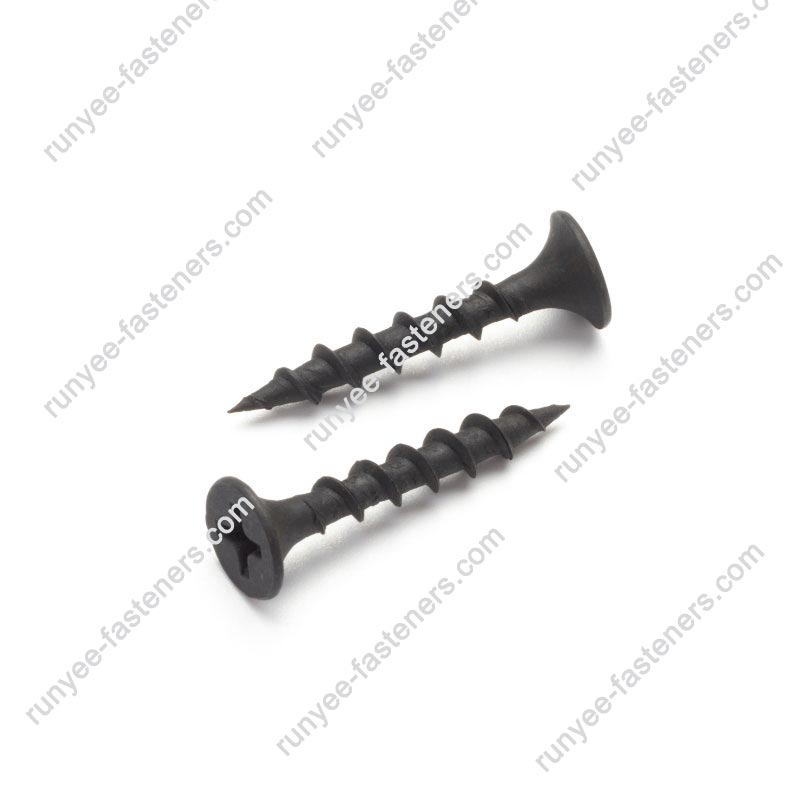
Coarse thread drywall screws are engineered with deeper, wider-spaced threading designed to bite securely into soft materials such as wood studs. Their aggressive traction contributes to faster penetration, higher pull-out resistance, and reduced screw spin-out, making them one of the most efficient wood-framing fasteners on the market. This article discusses their performance, detailed parameters, operating principles, and future trends—all while answering common questions contractors frequently ask.
How Do Technical Parameters Enhance Performance?
The performance of coarse thread drywall screws relies heavily on precision manufacturing, material integrity, and dimensional accuracy. The table below summarizes commonly requested parameters relevant to quality inspection, procurement comparison, and engineering evaluation:
| Parameter | Description |
|---|---|
| Material Options | Carbon steel (C1022), alloy-enhanced carbon steel for superior hardness |
| Thread Type | Coarse thread with wide pitch for rapid bite into wood substrates |
| Head Style | Bugle head for smooth countersinking without tearing drywall paper |
| Point Type | Sharp point or drill point depending on substrate requirements |
| Diameter Range | #6 – #10 |
| Standard Lengths | 1”, 1-1/4”, 1-5/8”, 2”, 2-1/2”, customized lengths available |
| Coating | Phosphate, black phosphate, zinc plating, rust-resistant polymer finishes |
| Hardness Grade | Case-hardened for optimal torsion strength and ductility |
| Application Substrates | Wood studs, soft composite boards, drywall sheets, gypsum panels |
| Compliance Standards | Based on industry practices aligned with ASTM standards |
This parameter set allows architects, builders, and wholesalers to quickly evaluate product compatibility with project requirements. Whether the job involves new residential framing or large-scale drywall installation, coarse thread screws provide reliability through consistent manufacturing tolerances and material performance.
How Do Coarse Thread Drywall Screws Improve Installation Efficiency and Structural Integrity?
How does coarse threading increase holding power?
Wider thread spacing creates deeper engagement within wood fibers, increasing friction and pull-out resistance. This thread geometry reduces the likelihood of screw backing out over time, especially in environments with vibration, seasonal expansion, or structural movement.
How does the bugle head contribute to clean drywall installation?
The bugle head distributes pressure evenly across the drywall surface, preventing paper tearing and ensuring a flush finish. It allows joint compound to sit smoothly over the screw head, minimizing visible imperfections in the final wall.
How do coatings enhance long-term performance?
Phosphate and zinc coatings protect the screw from oxidation, enabling stable installation in humid or temperature-variable conditions. Corrosion resistance ensures screws remain structurally stable over years of service.
How does material hardness affect user experience?
Case-hardened carbon steel combines a tough external shell with a ductile core. This prevents brittle snapping during installation, reduces cam-out, and supports high-torque applications. Contractors benefit from fewer broken screws and more consistent productivity.
How does coarse thread design support faster workflow?
Because coarse thread drywall screws bite quickly into wood, installation requires less torque and fewer driver adjustments. This leads to faster job completion, reduced labor fatigue, and improved cost efficiency for contractors.
How Will Drywall Screw Coarse Thread Technology Evolve?
Trend 1: Increased Smart Coatings
Manufacturers are developing polymers that resist corrosion, moisture, and chemical exposure better than traditional phosphate coatings. These advanced coatings will further extend the functional lifespan of screws used in environments with humidity or frequent temperature fluctuation.
Trend 2: Enhanced Eco-Friendly Manufacturing
Sustainable processing methods—such as energy-efficient heat treatment and cleaner plating technologies—are becoming important for manufacturers responding to global green-building demands.
Trend 3: Precision-Engineered Threads for Faster Automation
As automated screw-feeding tools grow more common on job sites, screws will require tighter manufacturing tolerances. Coarse thread drywall screws are expected to evolve with improved drive accuracy and smoother feeding performance.
Trend 4: High-Strength Material Development
Future screws may incorporate micro-alloyed steels that offer better torque capacity and improved impact absorption, making them ideal for increasingly complex interior designs and heavy-duty installations.
These innovations point toward a fastener market moving toward efficiency, sustainability, and enhanced mechanical reliability.
Frequently Asked Questions (FAQ)
Q1: How do coarse thread drywall screws differ from fine thread screws in performance?
A1: Coarse thread screws are optimized for wood studs because their wide thread pitch grips wood fibers securely, enabling fast installation and high pull-out resistance. Fine thread screws, by contrast, work better with metal studs due to their tighter threading and smoother penetration. Choosing the correct thread type ensures structural stability and avoids screw loosening over time.
Q2: How should the correct screw length be selected for drywall installation?
A2: The ideal length allows the screw to pass through the drywall panel and embed securely at least 5/8 inch into the wood stud. Common lengths such as 1-1/4” and 1-5/8” are widely used for standard 1/2” or 5/8” drywall sheets. Longer screws may be necessary for multi-layer installations or reinforced panels. Proper selection ensures structural strength without risking penetration through the opposite stud surface.
How Do High-Quality Coarse Thread Drywall Screws Support Modern Construction?
Coarse thread drywall screws remain a cornerstone of interior construction thanks to their superior grip in wood studs, smooth countersinking, corrosion-resistant coatings, and dependable material hardness. Their evolving design reflects broader market trends that prioritize efficiency, sustainability, and long-term durability in both residential and commercial projects.
For reliable coarse thread drywall screw solutions backed by professional manufacturing expertise, Jiaxing Runyee Metal Technology Co., Ltd delivers consistent quality, engineered performance, and customizable specifications suitable for global markets. To discuss product details, tailored solutions, or bulk procurement requirements, contact us to receive professional support for your next construction project.
