

Why Does Choosing the Right Blower Fan Matter More Than You Think?
2025-12-29
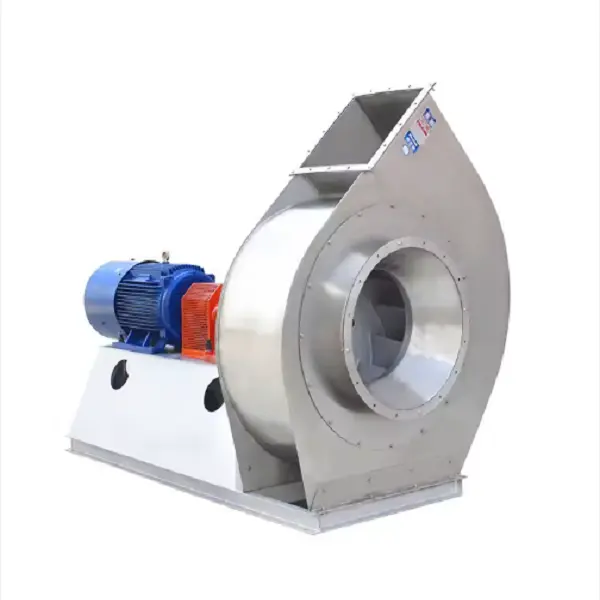
When I first started sourcing ventilation components for industrial and commercial projects, I underestimated how much impact a single Blower Fan could have on system efficiency, noise control, and long-term maintenance. Over time, working closely with Ketong, I realized that a well-designed Blower Fan is not just an accessory, but a core performance driver that directly affects airflow stability and operational reliability.
What Problems Do Buyers Commonly Face When Selecting a Blower Fan?
From my experience, many buyers struggle not because of a lack of options, but because of too many similar-looking products that perform very differently in real-world conditions. A poorly matched Blower Fan often leads to overheating, excessive vibration, or rising energy costs within months of installation.
- Unstable airflow under continuous operation
- Noise levels exceeding workplace standards
- Short service life due to inferior materials
- Limited compatibility with existing systems
These issues are exactly why I pay close attention to structural design, motor efficiency, and airflow curves before making a final decision.
How Does a High-Quality Blower Fan Improve System Performance?
A properly engineered Blower Fan delivers consistent air pressure while maintaining smooth airflow across varying loads. In my evaluations, models developed by Ketong demonstrate balanced airflow output without forcing the motor to operate at its limits.
| Performance Factor | Low-End Fan | Optimized Blower Fan |
|---|---|---|
| Airflow Stability | Fluctuates under load | Consistent and controlled |
| Noise Level | Noticeably high | Reduced and balanced |
| Energy Consumption | Inefficient | Optimized for long runs |
| Service Life | Short-term use | Designed for durability |
Why Does Material and Structure Matter in a Blower Fan?
One lesson I learned early on is that internal structure matters just as much as airflow ratings. A Blower Fan built with reinforced housings and precisely balanced impellers reduces internal stress during high-speed operation. This structural stability directly translates into fewer breakdowns and lower maintenance frequency.
By prioritizing materials that resist deformation and heat fatigue, Ketong ensures that each Blower Fan remains reliable even in demanding environments.
How Can the Right Blower Fan Reduce Operating Costs Over Time?
Cost efficiency is not only about the purchase price. I have seen many projects suffer from rising electricity bills simply because the installed Blower Fan was not optimized for continuous airflow. Efficient motor integration and aerodynamic blade design help reduce power consumption without sacrificing output.
- Lower energy draw during extended operation
- Reduced downtime caused by overheating
- Minimal replacement and repair expenses
These long-term savings often outweigh the initial investment difference.
What Should You Evaluate Before Finalizing a Blower Fan Supplier?
Beyond specifications, I always look at how a supplier supports customization, testing, and consistency. A dependable Blower Fan manufacturer understands that airflow requirements vary across applications, and flexibility is critical.
This is where working with Ketong has proven valuable, as their approach focuses on real operating conditions rather than theoretical numbers alone.
Are You Ready to Upgrade Your Airflow Solution?
If you are currently facing airflow instability, noise issues, or rising maintenance costs, it may be time to rethink your Blower Fan selection. Choosing the right solution can dramatically improve efficiency and system lifespan.
If you would like tailored recommendations or technical guidance, feel free to contact us today. Reach out and let us help you identify the most suitable Blower Fan for your application.
