

Why Is Proper Installation of Post Tension Prestressed Flat Slab Anchorage Critical for Safety
2026-02-25
In the world of modern construction, the integrity of a structure relies heavily on the precision of its components. When discussing high-rise buildings and commercial complexes, the role of Post Tension Prestressed Flat Slab Anchorage cannot be overstated. At Supreme Machinery, we understand that while the materials provide the strength, the installation provides the safety. A failure in this specific system does not just mean a structural crack; it can lead to catastrophic collapse, making proper installation non-negotiable for engineers and contractors.
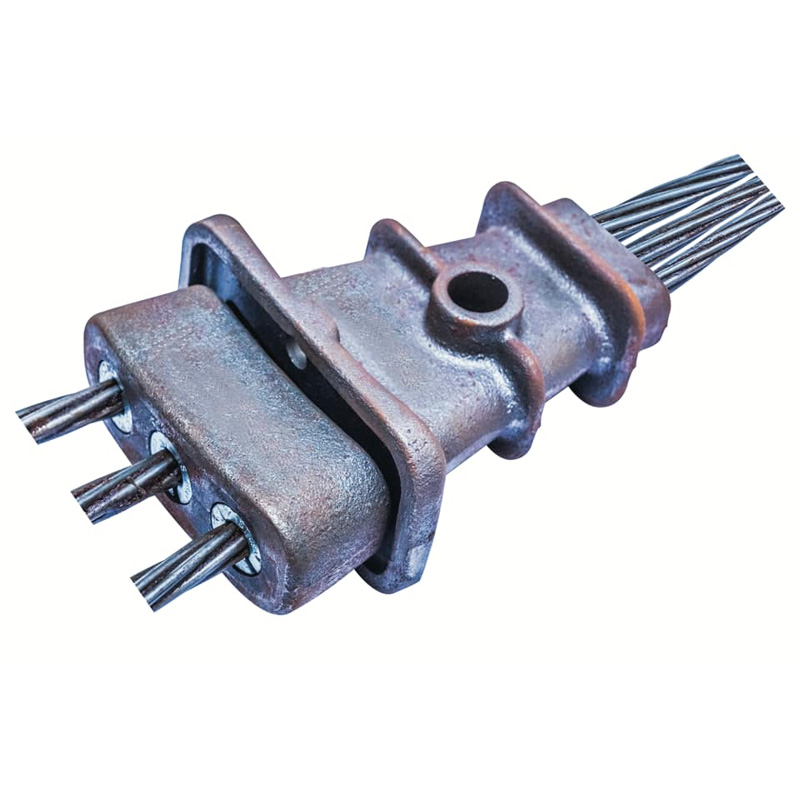
The Physics of Failure: Why Precision Matters
The concept of post-tensioning involves stressing high-strength steel tendons after the concrete has been poured. The Post Tension Prestressed Flat Slab Anchorage is the component that locks this tension into place permanently. If the anchorage is misaligned or improperly seated, the stored energy in the tendon can release unexpectedly. This phenomenon, often referred to as "tendon pop-out," poses immediate lethal dangers to workers on site and compromises the slab's ability to handle live loads in the future.
Key Risks of Improper Installation
To illustrate the specific dangers, consider the following common installation errors and their direct consequences:
| Installation Error | Immediate Safety Hazard | Long-Term Structural Impact |
|---|---|---|
| Incorrect Wedge Seating | Sudden slippage during stressing, causing whiplash effects. | Loss of prestress force, leading to slab deflection. |
| Grout Vent Blockage | Pressure build-up during grouting; bursting of hoses. | Incomplete corrosion protection for tendons. |
| Misaligned Anchor Pocket | Concrete spalling at the dead end during tensioning. | Reduced bearing area, increasing stress on the concrete. |
The Critical Role of Quality Hardware
Safety is not solely dependent on the worker's skill; it begins with the reliability of the hardware itself. Using inferior anchor heads or barrels can lead to metal fatigue. Supreme Machinery manufactures anchorage systems that adhere to international safety standards, ensuring that the hardware can withstand the immense forces involved. When the equipment is reliable, the margin for human error during installation widens, creating a safer work environment.
Best Practices for Safe Anchorage Installation
To ensure that the Post Tension Prestressed Flat Slab Anchorage performs as intended, site supervisors must enforce strict protocols:
-
Verification of Equipment: Always inspect the anchor heads and wedges for debris or damage before threading the tendons.
-
Perpendicular Placement: The anchor bearing plate must sit flush and perpendicular to the tendon axis. Angled placement creates stress concentrations that can shatter the concrete.
-
Controlled Stressing: Use calibrated jacks and pumps. Sudden or jerky stressing movements can dislodge the anchorage assembly.
Post Tension Prestressed Flat Slab Anchorage FAQ
To further clarify the complexities surrounding this critical component, here are answers to the most common questions engineers ask regarding safety and installation.
What happens if the wedges are not properly seated in the Post Tension Prestressed Flat Slab Anchorage?
If the wedges are not uniformly seated, the gripping mechanism on the tendon is compromised. When the jack releases the tension, the wedges may slip, causing an instantaneous loss of prestress force. In a worst-case scenario, the wedges can be ejected violently under pressure, posing a severe projectile hazard to nearby workers and resulting in a complete failure of that specific tendon’s anchoring point.
How does environmental exposure affect the safety of the anchorage system?
Environmental factors, particularly moisture and chlorides, lead to corrosion. If the Post Tension Prestressed Flat Slab Anchorage is not properly encapsulated or grouted immediately after tensioning, corrosion can weaken the barrel and wedges. Over time, this corrosion reduces the cross-sectional area of the steel, making it unable to hold the design stress. This can result in a delayed brittle fracture of the anchorage, causing the slab to fail years after construction.
Can a poorly installed anchorage be repaired, or does the entire slab need replacing?
In many cases, localized repair is possible, but it is highly complex and dangerous. It involves de-tensioning the specific tendon, which requires specialized equipment from brands like Supreme Machinery to safely release the stored energy. Once de-tensioned, the damaged Post Tension Prestressed Flat Slab Anchorage can be replaced, and the tendon re-stressed. However, if multiple anchorages in a zone have failed, or if the concrete itself is crushed around the anchor pocket, section replacement might be the only viable option to restore structural safety.
Conclusion
The safety of a post-tensioned structure is locked into place at the anchorage point. Cutting corners during the installation of the Post Tension Prestressed Flat Slab Anchorage is an unacceptable risk that endangers lives and structural longevity. By combining rigorous installation protocols with high-quality manufacturing, these risks are effectively neutralized.
Ensure your project meets the highest safety standards. Contact Supreme Machinery today for reliable, tested post-tensioning solutions that protect your workforce and your structure.
