

Why Is Punch Lower Die Performance Becoming a Critical Factor in Precision Stamping?
2025-12-08
Punch lower dies play a central role in high-accuracy stamping, metal forming, and automated production systems. As global manufacturing moves toward tighter tolerances, higher efficiency, and longer tool life, the quality and engineering of the punch lower die directly influence production stability, finished-part consistency, and overall operational cost.A punch lower die forms the counterforce that shapes, supports, and stabilizes the workpiece during punching or stamping operations. Within a die set, the upper punch descends to deform or cut material, while the lower die absorbs the impact load and defines the geometry of the finished part. Its dimensional accuracy and surface integrity determine the quality of edges, flatness, and forming precision.
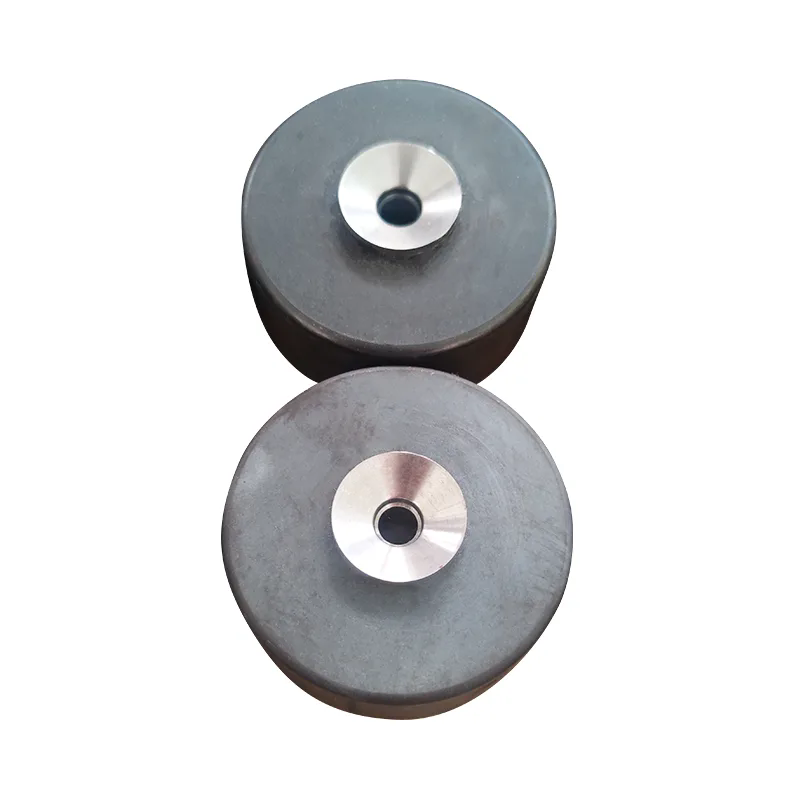
A well-engineered punch lower die minimizes vibration, distributes force evenly, and resists thermal deformation, which is crucial for high-speed or automated stamping lines. Manufacturers in automotive, electrical appliances, aerospace, and instrumentation rely on stable die components to reduce downtime, tool wear, and scrap rates.
Key Product Overview and Specifications
The following table summarizes the typical specifications for high-performance punch lower dies designed for precision stamping applications:
| Parameter | Description |
|---|---|
| Material Options | SKD11, DC53, ASP23, carbide, high-toughness steel |
| Hardness Range | HRC 58–64 depending on material |
| Manufacturing Tolerance | ±0.002 mm to ±0.005 mm |
| Surface Roughness | Ra 0.1–0.4 μm |
| Heat Treatment Process | Vacuum hardening, cryogenic treatment, tempering for stability |
| Coating Options | TiN, TiCN, DLC, AlTiN for wear and friction reduction |
| Application Fields | Metal stamping, progressive dies, high-speed punching, electronics, precision forming |
| Customization Capabilities | Geometry optimization, edge radius control, stress-relief design, feed-system adaptation |
These parameters reflect the increasing technical demand for accuracy, durability, and thermal stability in modern punch systems.
How Do Advanced Materials and Manufacturing Processes Enhance Lower Die Performance?
The performance of a punch lower die depends on how well it withstands mechanical stress, abrasive wear, thermal cycling, and repeated impact loading. The following aspects have become essential in modern tooling engineering:
High-Performance Materials
-
SKD11 and DC53 deliver strong wear resistance and toughness for general stamping.
-
Carbide offers exceptional hardness for ultra-high-volume production.
-
Powder metallurgy steels (e.g., ASP23) provide uniform microstructure, reducing chipping and extending tool life.
Precision Machining and Heat Treatment
Ultra-fine machining techniques, including wire EDM, CNC grinding, and lapping, ensure ultra-tight tolerances for high-accuracy operations. Heat treatment determines microstructure stability and reduces deformation risks.
Key enhancements include:
-
Vacuum quenching to prevent oxidation
-
Cryogenic treatment to stabilize martensitic transformation
-
Multi-stage tempering to prevent stress cracking
Surface Treatment Technologies
Coatings significantly extend the lifespan of punch lower dies in harsh environments:
-
TiN improves lubricity and corrosion resistance
-
DLC reduces friction for high-speed punching
-
AlTiN provides heat resistance for high-temperature or high-impact applications
Together, these advancements reduce maintenance cycles, prevent premature wear, and boost production efficiency.
How Is the Punch Lower Die Evolving to Meet Future Industrial Demands?
Industries increasingly require high-strength materials, thinner sheet metals, and automated stamping lines. These trends influence the engineering and application of punch lower dies in several ways:
Higher Adaptability for Automated Production
As stamping lines operate at faster speeds, tooling must maintain accuracy under continuous vibration and heat exposure. Engineers are now focusing on:
-
Enhanced fatigue resistance
-
Stable thermal behavior
-
Precision geometry retention over long cycles
Smart Tool Monitoring
Future punch lower dies are expected to incorporate sensor-based monitoring systems to detect:
-
Micro-cracks
-
Increase in loading force
-
Surface deterioration
-
Temperature variations
This predictive-maintenance direction reduces downtime and prevents catastrophic die failure.
Sustainable and Cost-Efficient Tooling
Manufacturers aim to achieve longer tool life, lower scrap rates, and reduced lubrication usage. Advanced surface coatings, eco-friendly heat treatments, and recyclable tool steel strategies are becoming standard.
Modular Design for Faster Replacement
Interchangeable modules allow quick installation and maintenance, supporting high-mix, small-batch production. This design approach reduces tooling cost while improving efficiency.
How Do Punch Lower Die Design Improvements Boost Productivity and Reduce Manufacturing Costs?
Optimizing the design of a punch lower die impacts multiple aspects of production:
Force Distribution Optimization
A die with correct geometry and structural support reduces:
-
Punch breakage
-
Material distortion
-
Stress concentration
This leads to better-quality stamped parts and fewer die-set failures.
Improved Cooling and Heat Dissipation
Heat accumulation is a major contributor to die wear. Advanced designs incorporate:
-
Heat-resistant alloys
-
Coated working surfaces
-
Optimized die cavities to reduce friction
Controlled temperature helps maintain dimensional stability and prolong service life.
Precision Edge Profiles
Engineered radii and chamfered edges reduce burr formation and lower cutting resistance. This enhances the finish quality of stamped parts and minimizes post-processing requirements.
Reduced Lubrication Needs
With advanced coatings and high-hardness finishes, dies consume less lubrication, lowering chemical usage and improving environmental compliance.
Common Questions About Punch Lower Dies
Q1: How long does a high-quality punch lower die typically last in continuous stamping operations?
A1: The lifespan depends on material choice, coating, and operating conditions. For general steel stamping, a well-treated SKD11 or DC53 die can reach tens of thousands to hundreds of thousands of cycles. In high-volume lines using carbide or powder metallurgy steels with advanced coatings, service life can exceed several million cycles, provided proper lubrication, alignment, and load control are maintained.
Q2: How can manufacturers reduce wear and chipping on punch lower dies?
A2: Wear reduction begins with material selection matched to the application. Dies benefit from cryogenic treatment, multi-layer coatings, and precision-machined edges. To avoid chipping, it is essential to maintain correct punch-die alignment, ensure stable clamping, control feed accuracy, and manage impact loads through optimized die design. Regular inspection and predictive maintenance also help prevent early damage.
How Does High-Quality Tooling Strengthen Industrial Competitiveness?
A punch lower die is more than a simple tooling component—it is a critical foundation for achieving precision, efficiency, and stability in modern stamping operations. As industries worldwide pursue higher production speeds, tighter tolerances, and longer tool life, the importance of advanced die materials, coatings, machining technologies, and smart monitoring will continue to grow.
Manufacturers seeking consistent accuracy, reduced downtime, and optimized cost performance rely on durable and precisely engineered punch lower dies to meet evolving market demands. High-performance tooling empowers companies to enhance product quality while maintaining competitive manufacturing capabilities.
ZHIHEXING offers engineering-grade punch lower dies customized for demanding applications, combining precision machining, advanced materials, and strict quality control. For tailored solutions or technical consultation, contact us to explore how professional tooling can enhance your production performance.
